Michael and Susan Dell to Put $250 in 25 Million Children's Accounts
The New York Times covers the Dells' announcement of a $6.25 billion commitment to deposit $250 into Trump Accounts for 25 million American children — including children born before January 1, 2025, who are otherwise ineligible for the federal $1,000 seed contribution.
Source
This page summarizes reporting from New York Times. Read the original article →
Key Takeaways
- Michael and Susan Dell announced they would deposit $250 into investment accounts for 25 million American children, totaling $6.25 billion — one of the largest single philanthropic commitments in U.S. history.
- The gift expands the program's reach to children who missed the eligibility cutoff for the $1,000 Treasury contribution — those born before January 1, 2025 — by offering the $250 regardless of birth year.
- To qualify for the Dell gift, a child must be age 10 or under and live in a ZIP code where the median household income is below $150,000.
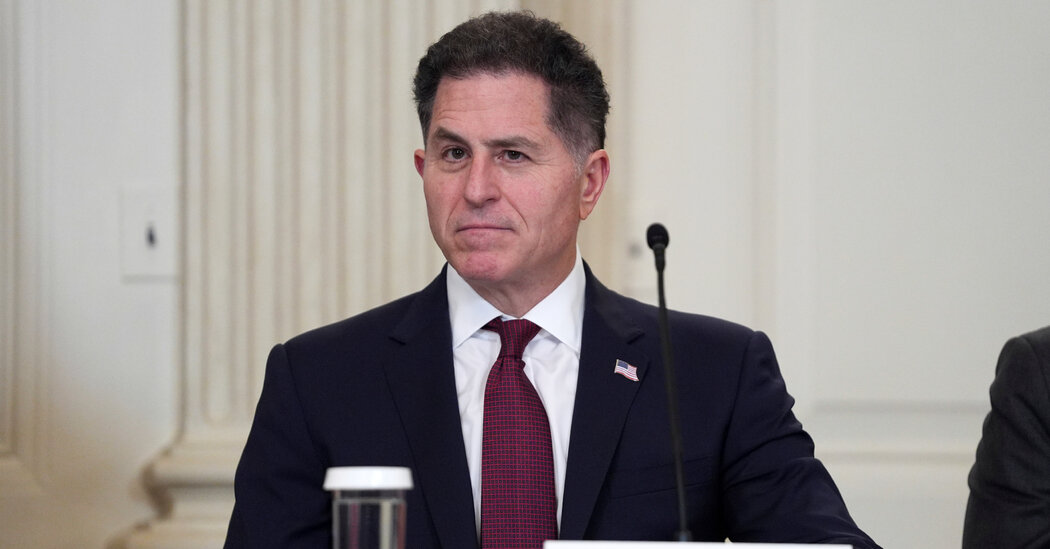
- The announcement was made on December 2, 2025, the same day as the White House event attended by President Trump and top lawmakers celebrating the gift.
- The Dell $250 deposit does not count against the $5,000 annual contribution cap, so families can still contribute the full amount on top of any philanthropic deposits.
What This Means for Families
One of the most significant aspects of the Dell gift, as covered by the Times, is its extension to children born before 2025. The federal $1,000 seed contribution is limited to children born between January 1, 2025 and January 1, 2029 — meaning a child born in 2020 or 2022 would not qualify for the government deposit under the law as written. The Dell gift bridges this gap for millions of families with older children, giving them a meaningful starting contribution even if they arrived just before the program's official eligibility window.
The $150,000 median household income threshold for ZIP code eligibility is considerably higher than many people might expect for a philanthropic program. This is not a means-tested benefit in the traditional sense — it targets geography rather than individual income, and the $150,000 threshold means that many middle-class families in average-cost communities qualify. Families in expensive metro areas with high median incomes may not qualify even if their personal income is modest, because the threshold is based on the ZIP code median rather than the family's own income.
The December 2 White House event marked a significant moment of public ceremony for the program — connecting a major philanthropic announcement to the political launch of Trump Accounts in a way that generated broad media coverage. For families following the program's development, the event signaled strong momentum heading into the 2026 tax season enrollment window.
Next steps
Use the eligibility checker to look up whether your child's ZIP code qualifies for the Dell $250 gift — children age 10 and under in eligible ZIP codes qualify regardless of birth year, so older children not covered by the $1,000 federal seed may still receive the Dell deposit.